 Loading... Please wait...
Posted on 3rd Sep 2015

Between all the acronyms and numbers used to classify healthy fats, it can be hard to keep straight what is really good for you, and especially what you really need. To help clear the fog, here is a quick overview of the omega fatty acid landscape.
FORMS
ALA & LA: The body can synthesize most of the fats it needs from the diet. However, two essential fatty acids, a-linolenic (ALA) and linoleic acid (LA), cannot be synthesized in the body and must be obtained from food. This is why they are often called essential fatty acids (EFA). These basic fats, found in plant foods, are used to build specialized fats called omega-3 and omega-6 fatty acids.
EPA & DHA: The long-chain omega-3 fatty acids, eicosapentaenoic acid (EPA) and docosahexaenoic acid (DHA), can be synthesized from ALA, but due to low conversion efficiency, it is recommended to obtain EPA and DHA from additional sources.
CLA: Another form of Omega-6, LA is CLA (Conjugated Linoleic Acid). CLA possesses the properties of other good fats. Scientific studies confirm that CLA has the ability to reduce body fat and promote the use of stored fat for energy. Specifically, it can decrease the amount of fat stored after eating, while increasing fat metabolism
BENEFITS
Both omega-6 and omega-3 fatty acids are important structural components of cell membranes, serve as precursors to bioactive lipid mediators, provide a source of energy, and are important in the normal functioning of all tissues of the body. Long-chain omega-3 polyunsaturated fatty acids (PUFA) in particular exert anti-inflammatory effects and it is recommended to increase their presence in the diet.
Most-Documented Benefits:
- Prevention of atherosclerosis
- Reduces risk of heart disease
- Decreases risk of fatal heart attack
- Reduced incidence of stroke
- Relief from the symptoms associated with ulcerative colitis
- Relief from the symptoms associated with menstrual pain
- Relief from the symptoms associated with joint pain.
- Decreased breast cancer risk.
- Low DHA status may be a risk factor for Alzheimer's disease and other types of dementia, but it is not yet known whether DHA supplementation can help prevent or treat such cognitive disorders.
- Increasing EPA and DHA intake may be beneficial in individuals with type 2 diabetes, especially those with elevated serum triglycerides.
- Rheumatoid Arthritis: Randomized controlled trials have found that fish oil supplementation reduces the requirement for anti-inflammatory medication in patients with Rheumatoid Arthritis.
- Some data suggests that omega-3 fatty acid supplementation may be a beneficial adjunct in the therapy of depression, bipolar disorder, and schizophrenia, but great heterogeneity between trials prevents conclusive determination of therapeutic efficacy.
SOURCES
While cold water, high fat fish and krill are excellent sources of Omega 3 essential fatty acids, plant sources are equally as beneficial and sometimes contain even better balances of multiple omega fatty acids.
Plant Foods Rich in Omega-3
- Flaxseed oil (highest ALA of any food), flaxseeds, flaxseed meal
- Avocado
- Walnuts
- Soybeans
- Mungo beans
- Certain dark green leafy vegetables, including kale, spinach, mustard greens, collards.
Plant Foods Rich in Omega-6
- Flaxseed oil, flaxseeds, flaxseed meal
- Borage oil
- Hempseed oil, hempseeds
- Grapeseed oil
- Pumpkin seeds
- Pine nuts
Plant Foods Rich in Omega-9
- Olive oil (extra virgin or virgin)
- Olives
- Avacados
- Almonds
- Peanuts
- Pecans
SUPPLEMENTING
Because ALA and LA are essential fatty acids and cannot be synthesized in the body, supplementation may be a good idea if your diet alone doesn't provide you with the levels suggested. And due to low conversion efficiency, it is recommended to obtain EPA and DHA from additional sources besides just food.
With the host of clinically documented and widely accepted benefits of getting a full range of omega fatty acids, a daily supplement to help you get the amounts you need may be one of the smartest health decisions you can make.
________
pH Miracle OPTI OILS™ (Omega 3,6,9)

pH Miracle® Opti Oils™ are a blend of all the omega fatty acids you need to achieve optimal health and prevent many of the abovementioned diseases.
With Borage and flax seed oils which are 100% cold expeller pressed and hexane free, you know you’re getting a product that was designed for optimal health benefits and safety standards.
OPTI Oils™ INGREDIENTS
Borage Seed Oil
- Source of: Gamma-Linolenic Acid (GLA) – Omega-6
Flax Seed Oil
- Source of: Essential Fatty Acids Alpha Linolenic Acid (ALA)- Omega-3
- Source of: Cis-Linoleic Acid (LA) – Omega-6
- Source of: Oleic Acid – Omega-9
Deep Sea Fish Oil
- Source of: Docosahexaenoic Acid (DHA)
- Source of: Eicosapentaenoic Acid (EPA) – Omega-3
Vitamin E
See official Opti Oils™ supplements facts for serving amounts.
________
pH Miracle CLA Boost™ (Omega-6)
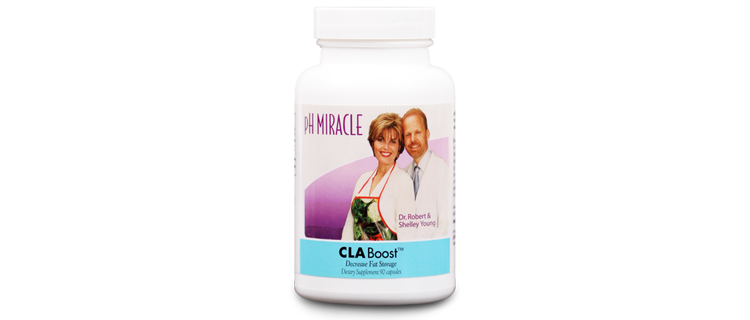
Scientific studies confirm that CLA has the ability to reduce body fat and promote the use of stored fat for energy. See CLA Boost™ product description and supplement facts for more details.
________
Wondering where Krill oil fits into this picture? Learn about Krill Oil’s differences in sourcing, nutritional content, sustainability, environmental impact and more here.
________
Sources:
Physicians Committee for Responsible Medicine: http://www.pcrm.org/health/health-topics/essential-fatty-acids
Oregon State University: Lpi.oregonstate.edu/mic/other-nutrients/essential-fatty-acids
