 Loading... Please wait...
Posted by PHM Life Team on 24th Aug 2018
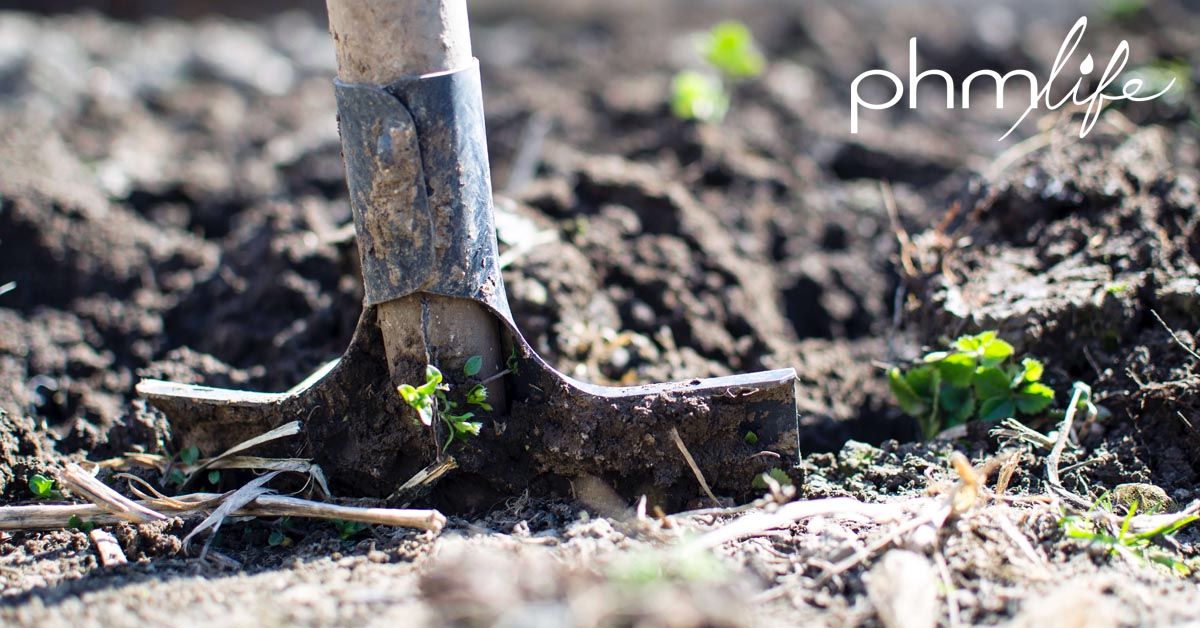
All life on earth depends on proper pH levels. When there’s the slightest imbalance, disease follows. This proves true for our bodies, our oceans, and even our soil.
Just as increasing industrialization over the past 100 years is linked to a drop in the pH of our oceans from 8.2 to 8.1—potentially harming marine life and leading to the collapse of the coral reefs (1)—the same is true for our soil.
Excessively intense cultivation and inadequate soil management can deplete soils quickly. This can have a significant effect on the nutrient level of subsequent crops. (2)
The US National Library of Medicine and the National Institutes of Health state that “one of the first considerations in an alkaline diet, which includes more fruits and vegetables, is to know what type of soil they were grown in since this may significantly influence the mineral content.” Of course, this is important to know because our bodies use the produce’s minerals to buffer acids and maintain pH levels.
They also state that “the ideal pH of soil for the best overall availability of essential nutrients is between 6 and 7. Acidic soils below pH of 6 may have reduced calcium and magnesium, and soil above pH 7 may result in chemically unavailable iron, manganese, copper and zinc.” (3) Again, it’s a delicate balance.
So how are we supposed to know the availability of essential nutrients in the soil our produce is planted in? Growers aren’t required to specify soil conditions, and even the USDA Organic designation only requires that the soil be free of prohibited substances like synthetic fertilizers and pesticides. (4)
While it’s important to have the soil free of these synthetic chemicals, and it’s a good starting point when selecting your produce, the management of the soil and its pH levels is not considered.
So what options do you have?
Of course the best way to monitor soil pH is by growing your own food. You can manage your soil properly and add things like dolomite and manure to raise the pH levels of acidic soils to help ensure the highest possible nutrient levels.
The next best thing is to buy your produce from local growers whenever possible. It’s more likely that local growers, who run smaller operations, don’t put the mineral demands on the soil the way high yield farming does.
And when this extra legwork isn’t possible, and you want to make sure you’re getting the needed alkalizing minerals in your diet each day, a little pH Miracle® pHour Salts and PuripHy go a long long way.
The powerful combination of carbonate salts in in these products—like sodium bicarbonate, magnesium carbonate, potassium bicarbonate, and calcium carbonate—help to maintain the alkaline design of all human, plant, and animal organisms. You can safely use them every day to increase the pH of your food and drinks.
Learn more about pH Miracle® pHour Salts and PuripHy drops at phmlife.com, and order yours today.
Trace Minerals and pH
Trace minerals are essential for metabolism, building tissues, aiding digestion, providing the catalyst for many hormones, replacing electrolytes, and assimilating and utilizing vitamins and other nutrients (1). They are also essential for maintaining the pH balanced environment of the entire body (2).The pH of our blood, tissues, and bodily fluids affects our health at the [...]
